
Problem Language That Does Not Sound Invented
A buyer trusts service copy faster when the problem sounds like their day, not a workshop exercise.
Would the buyer use these words?A practical service blueprint for fit, outcome, scope, proof, price, calls, and the handoff that follows yes.

Start by naming one reachable buyer, not every person who could theoretically benefit.
Who is this really for?Open the field note
Start with fit. Name the useful result. Bound the work. Make the sales step proportionate. Then explain proof, payment, and what follows yes.
A buyer trusts service copy faster when the problem sounds like their day, not a workshop exercise.
Would the buyer use these words?
A deliverable list lands better after the buyer understands the result it supports.
What will be different after this?
A package ladder should make choice easier, not recreate custom consulting in three columns.
Which version is right for this buyer?
The first screen should say who the service helps, what changes, and what the next step costs emotionally.
Do I understand the offer without scrolling?
A service price can be explained without sounding defensive or embarrassed.
Why does this cost what it costs?Is this service meant for my situation, or am I being pulled into a generic promise?
02What changes after this service, and what exactly will I receive?
03What is included, what is not included, and how much choice do I really have?
04Can I understand the offer before I am asked to book, buy, or explain myself?
05Can I trust the price, proof, and risk terms enough to keep going?
06What happens after I say yes, ask a question, or go quiet?
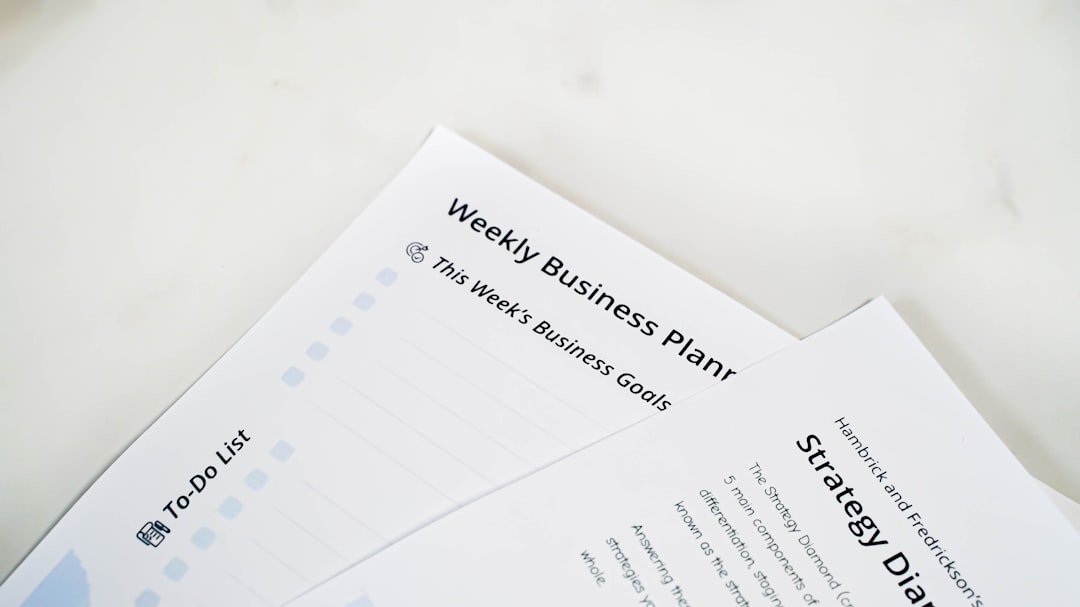
Show the conditions that make the service useful before presenting the package.
Am I ready for this service, or do I need a smaller first step?
A not-for boundary is useful when it protects both the buyer and the delivery team.
What conditions make this service the wrong route?
A deliverable is easier to value when the buyer knows what complete and usable mean.
How will we know this work is ready to use?
The same work can feel incomplete when files, ownership, and next-use instructions are unclear.
What form will the finished work take, and how do I use it next?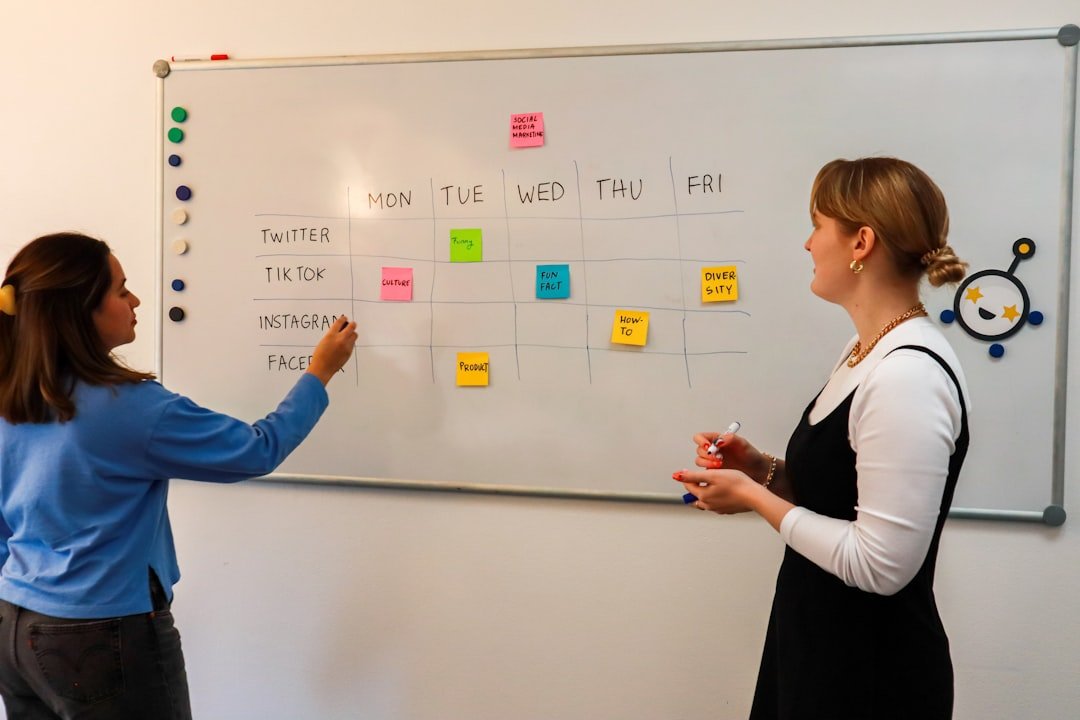
Revision limits work best when the page also explains what feedback belongs in each round.
How many times can we revise, and when must decisions be made?
A clear change route keeps useful new ideas from quietly expanding the original service.
What happens when we discover work outside the package?
One CTA should not force every reader into the same level of commitment.
What is the smallest useful next step for where I am now?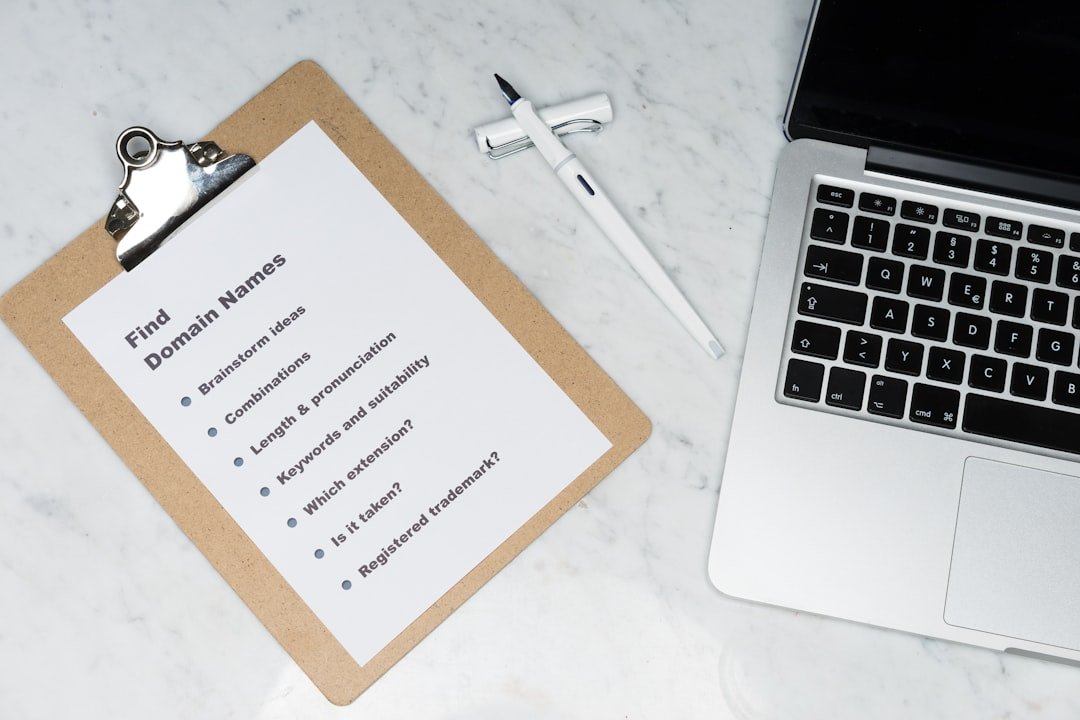
Every form field should help determine fit, prepare delivery, or route the next step.
Why do you need this information before we speak?These notes are general business education. Check the exact contract, tax, advertising, privacy, platform, and professional obligations for the service and market.
Useful for defining a reachable buyer and market context before packaging an offer.
Claims FTC advertising and marketing guidanceUseful boundary for claims, proof, endorsements, and consumer-facing marketing language.
Proof FTC endorsements and reviews guidanceHelpful when testimonials, case studies, reviews, or expert endorsements support an offer.
Accessibility W3C accessibility fundamentalsUseful reminder that service pages and forms should be readable and usable across devices.